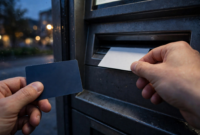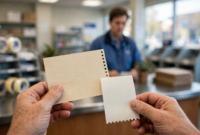
I met Denise at a laundromat in Ohio, feeding quarters into a dryer. She had just bought a reloadable prepaid Visa at a drugstore, her paycheck was in her pocket as a paper check, and she had no bank account to move it through. She wanted to know how to add money to a prepaid card without a bank account, and she wanted it done before her shift started in forty minutes.
Denise’s situation is common, and it has more than one answer. A prepaid card behaves like a bank account for spending: money sits on the card, purchases draw it down, and you refill it when it runs low. The refill routes differ wildly in fee and speed. A $200 load can cost nothing or $5.95, and can land instantly or take five business days. Choosing badly, week after week, quietly eats the money you are trying to protect.

The six reload routes at a glance
Fees and speeds vary by card issuer — always check your card’s fee schedule.
| Reload method | Typical fee | Typical speed | Best for |
|---|---|---|---|
| Cash reload at a retailer | $0–$5.95 per load | Instant | One-off cash in hand |
| Direct deposit (paycheck or benefits) | Free | On payday | Regular income |
| Mobile check load | Free standard, fee for instant | 1–5 business days | Paper checks |
| Transfer from another card or app | Varies, sometimes free | Minutes to days | Moving money you already hold digitally |
| Bank transfer from someone else’s account | Usually free at the card end | 1–5 business days | Family help |
| Cash reload network (e.g. Visa ReadyLink) | Varies by location | Instant | Cards that support the network |
If you only read one row, read the direct deposit row. It is the only route that is routinely free, automatic, and fast. Everything else is a backup for weeks when cash or a paper check is what you actually have.
For most people, learning how to add money to a prepaid card without a bank account starts with that direct deposit row.
1. Cash reload at a store: the fastest route when you hold cash
This is the route Denise used that morning, and it is the most literal answer to how to add money to a prepaid card without a bank account. Walk into a participating retailer — grocery stores, drugstores, gas stations, and check cashers are the usual suspects — hand the cashier your card and your cash, and the funds appear right away.
The fee is the catch. Cash reloads commonly cost up to around $4 or $5.95 per transaction, and the fee can vary by store even for the same card. Ask before you hand over the cash, and keep the receipt until the balance shows in the app. Reload $200 every week at $4.95 a pop, and that is over $250 a year in reload fees alone. For regular income, cash reload is an expensive habit, not a plan.
One more check before you go: not every prepaid card accepts cash reloads everywhere. Some cards only reload at specific chains, and some require a particular network logo. The card’s app usually has a reload locator; use it before you drive anywhere.
2. Direct deposit: the route that makes the card work like a paycheck account
If you earn wages or receive government benefits, direct deposit is how to add money to a prepaid card without a bank account in the cheapest, most reliable way. You give your employer or benefits payer the card’s routing and account numbers — most reloadable prepaid cards provide these in the app or on the card carrier — and the payment lands on the card on payday, usually free.
Denise’s employer, a cleaning company, already offered direct deposit; she had assumed it required a bank account. It did not. She filled in the card’s routing and account numbers on the same form everyone else used, and her next paycheck skipped the paper check entirely. For people receiving Social Security, SSI, or veterans’ benefits without a bank account, the Direct Express card works the same way by default.
Some prepaid cards also release direct deposits a day or two early, and several waive the monthly fee when direct deposit is active. If your income is regular, set this up first.
3. Mobile check load: turning a paper check into card money
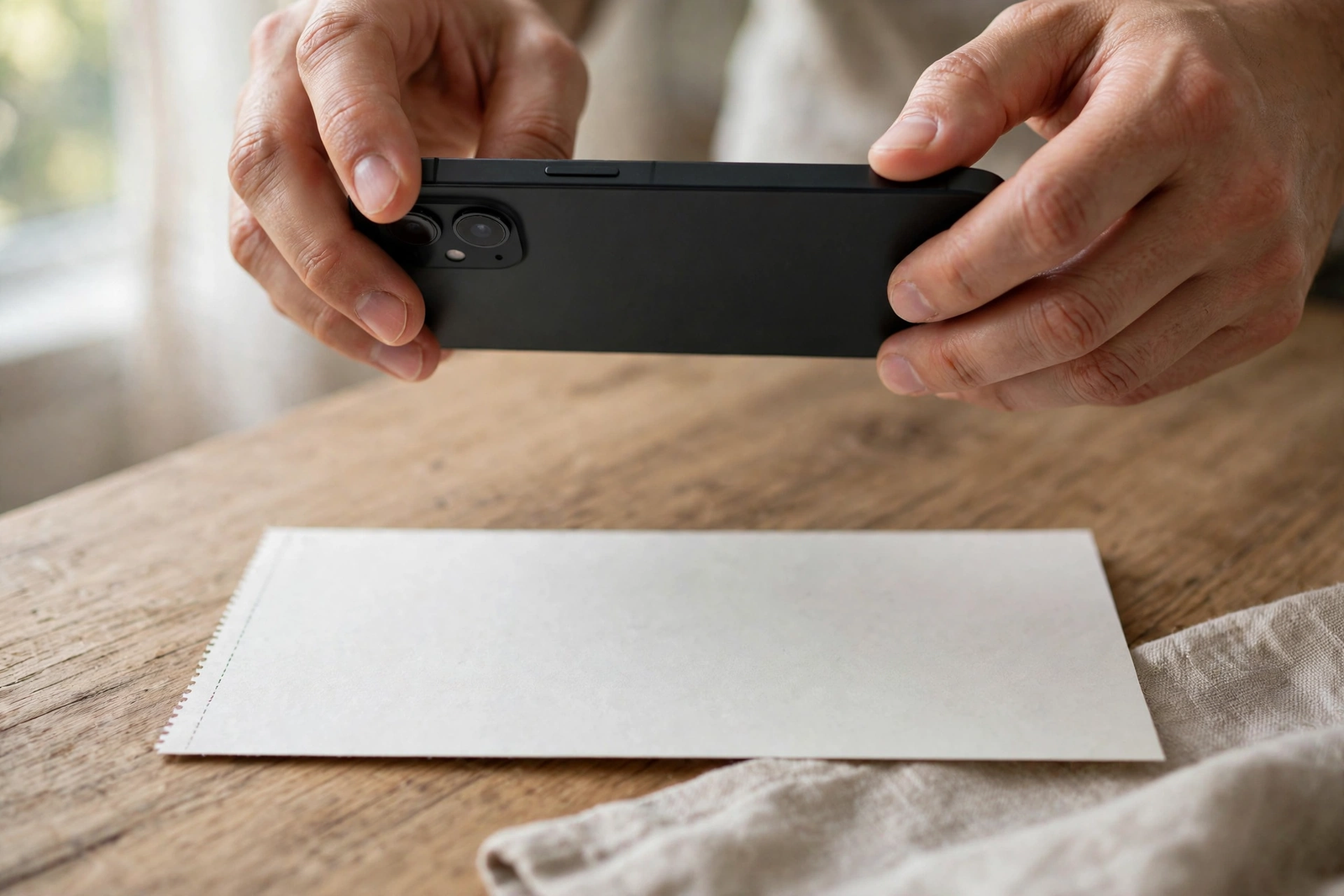
Got a paper check and no bank account? Mobile check load is another answer to how to add money to a prepaid card without a bank account. Many prepaid card apps let you photograph the front and back of the check inside the app, just like a bank’s mobile deposit. Standard processing is often free and takes one to five business days. Instant availability, where offered, usually costs a percentage of the check, so read it before you tap ‘instant.’
Endorse the check as the app instructs, usually with your signature and ‘For mobile deposit only’ beneath it, and photograph it in good light on a dark surface. Keep the paper check for at least two weeks after the deposit posts, and never submit the same check twice — a duplicate deposit can freeze the card.
4. Transfers from another card, wallet, or app
If your money already lives somewhere digital — a Cash App or PayPal balance, another prepaid card — many prepaid cards accept an inbound transfer from that source. Speed ranges from minutes to a few days, and fees vary: card-to-card transfers inside the same brand are often free, while transfers from an outside wallet may carry a fee.
This route deserves a warning for anyone learning how to add money to a prepaid card without a bank account: loading from a credit card can be treated as a cash advance, with a fee of around 3–5% plus immediate interest. That turns a $200 load into a $206–$210 cost before you spend a cent. Use a debit balance for this route, not a credit card, unless you have checked the fee in advance.
5. A transfer from someone else, and the reload-network option
Family help has a formal version. Some prepaid cards let another person send money to your card from their bank account through the card’s online account center, usually free at your end and taking one to five business days. Share your card’s account details only with people you trust.
Separately, reload networks like Visa ReadyLink let you load cash at kiosks and counters carrying the network’s logo, even at stores that are not your card brand’s own partners. Check the back of your card for the logo, then use the network’s locator, and ask the fee before you hand over the cash.
What a $200 load really costs
Numbers make the choice concrete. Cash reload at $4.95, once a week: $19.80 in fees in a month. Mobile check load on standard timing: $0, arriving in about three business days. Direct deposit: $0, arriving on payday. Over a year, the weekly cash reloader pays roughly $257 in reload fees, while the direct-deposit user pays nothing for the same $200 a week.
That gap is why the order matters when you work out how to add money to a prepaid card without a bank account for your own routine. Set up direct deposit first, use mobile check load for the odd paper check, and keep cash reload for irregular moments like a cash tip. If reload fees pass $10 in a month, something in the routine needs changing.
That order is also the simplest way to think about how to add money to a prepaid card without a bank account: direct deposit first, mobile check load second, and cash reload only when needed.
Traps, limits, and the identity check
Three traps catch new prepaid card users. The first is the fee stack: a card can charge a purchase fee, a monthly fee, an ATM fee, and a reload fee on the same dollar, so read the full fee schedule, not just the reload line. The Consumer Financial Protection Bureau’s prepaid card guide is a plain-language place to check what protections and fee disclosures apply.
The second trap is limits. Prepaid cards commonly cap single loads, daily loads, and total balances — a $500 daily cap will split a $900 check into two loads whether you like it or not. Check your card’s limits before a large check arrives, not after.
The third is identity verification. Federal rules require prepaid issuers to verify your identity before unlocking full features, including higher load limits and direct deposit. You will typically provide your name, address, date of birth, and Social Security number. A card bought at a store and never registered usually works only up to a low balance and cannot receive direct deposit at all. Register the card the day you buy it.
FAQ
How to add money to a prepaid card without a bank account for free?
Use direct deposit for paychecks or benefits, or standard mobile check load for paper checks. Both are routinely free. Cash reloads at stores almost always carry a per-load fee.
Can I reload a prepaid card with cash at any store?
No. Only participating retailers and reload-network locations accept cash loads for your card brand. Use the card app’s reload locator before you go, and confirm the fee at the counter.
How long does a mobile check load take?
Standard loads typically take one to five business days. Instant loads, where offered, cost a percentage of the check and arrive in minutes, but the fee can be steep on large checks.
Do I need a bank account to get direct deposit onto a prepaid card?
No. Most reloadable prepaid cards provide routing and account numbers you can give an employer or benefits payer. You do need to register the card and complete identity verification first.
What if my card is lost with money on it?
Report it immediately through the card’s app or phone number. Registered cards generally carry protections against unauthorized use, but an unregistered store-bought card may not.
Denise left the laundromat with $180 on her card — $200 in cash minus a fee she now wishes she had checked first — and a direct deposit form in her bag for Monday. She still reloads cash sometimes, when a customer tips her in bills. But her paycheck no longer passes through paper, a fee, and a store counter to reach her card. That is the real answer to how to add money to a prepaid card without a bank account: the cheapest route for each kind of money you receive, used in the right order, with fees checked before you commit.
Disclaimer: This article is general educational information, not financial advice. Fees, limits, load networks, and availability vary by card issuer and retailer — check your card’s fee schedule and terms before loading.