
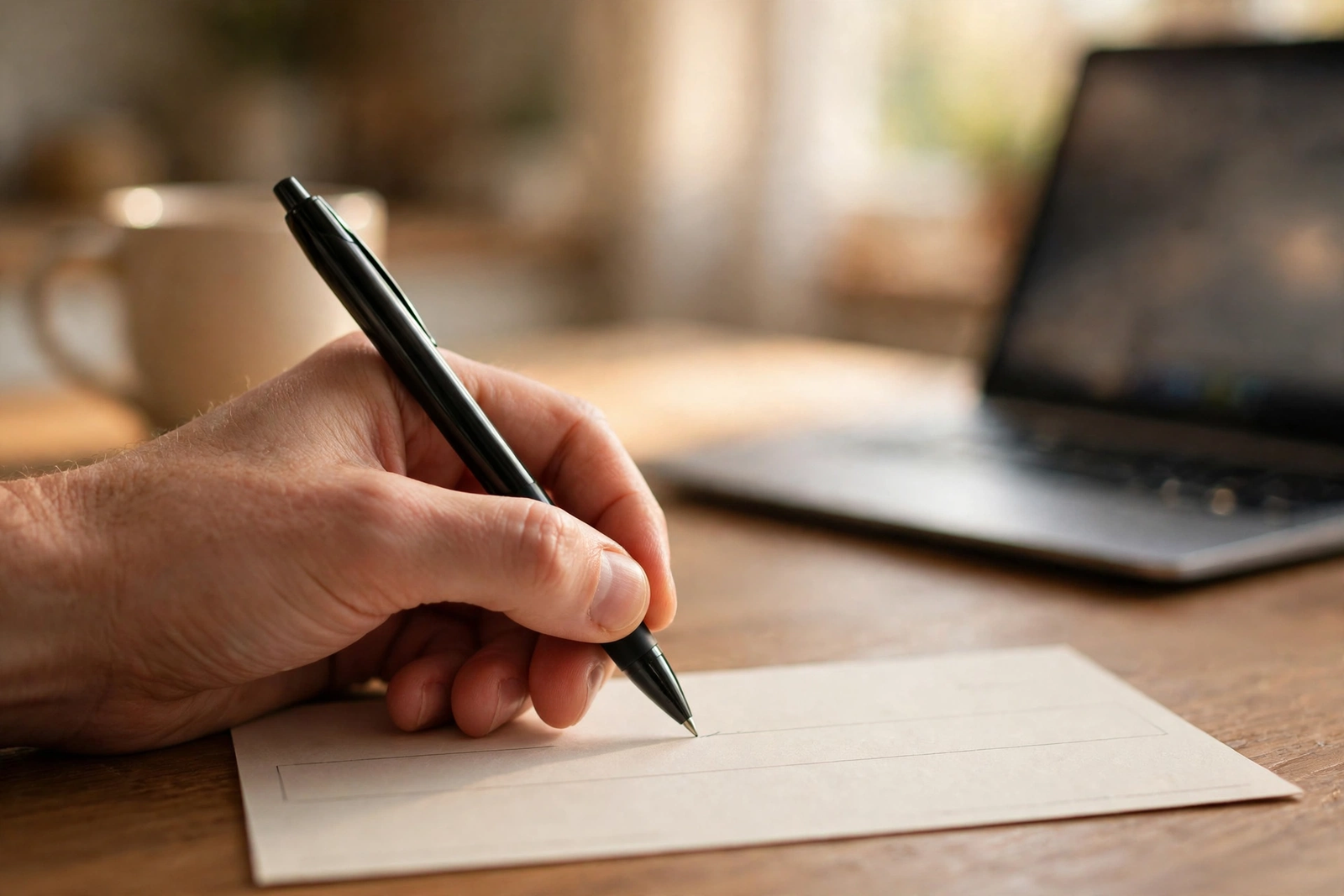
My landlord, Mr. Reyes, only takes paper checks. No Venmo, no Zelle — “checks, that’s it,” he said when I signed the lease. When I opened my new checking account that spring, the welcome kit came with exactly eight starter checks. Eight. They covered four months of rent, and then one morning the box was empty and I realized I had no idea how to order checks for a bank account. I genuinely assumed the bank would just send more. They don’t.
Learning how to order checks for a bank account turned out to be a 15-minute task once I knew where to look — but there’s one cheaper route almost nobody mentions, and the price difference is real. This guide covers all five routes, what each costs, how long it takes, and the safety mistakes to avoid.
Before you start: what actually goes on your checks
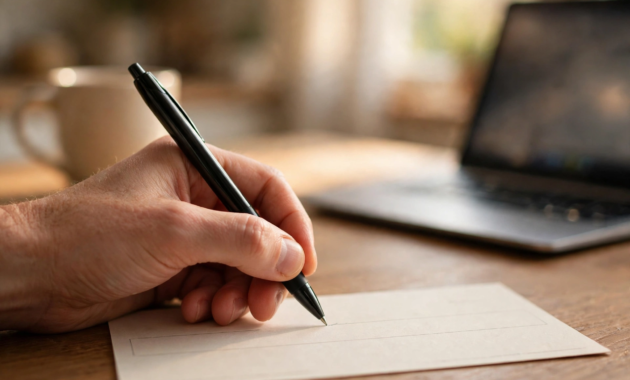
A personal check carries four key pieces of information, and the bank already has three of them:
- Your name and mailing address — keep this minimal: your current legal name and the address where you receive mail. Leaving the address off is legal, but can complicate verification at stores.
- Your bank’s ABA routing number — pre-filled by the printer. You never type this yourself when reordering.
- Your account number — also pre-filled on reorders, since the bank already has it on file.
- The starting check number — this one is yours to choose. Checks are numbered sequentially from the top-right corner. If your last box ended at 1240, start the new one at 1241. Most banks let you pick any starting number, though the default suggestion is fine.
You’ll also see options for singles vs. duplicates. Duplicates have a thin carbon copy underneath each check, so you keep a record of everything you write. They cost more — usually $10 to $20 extra per box — but if you’re the type who loses track of what went out, duplicates pay for themselves in one avoided overdraft. Speaking of which, keeping tabs on what’s outstanding is half the battle; our guide on how to avoid overdraft fees explains how uncashed checks are one of the sneakiest causes.
If you don’t have a checking account yet, handle that first — the FDIC’s GetBanked program helps you find a safe, low-cost account to get started, and opening a bank account online walks through what the process looks like.
How to Order Checks for a Bank Account: The 5 Routes
1. Through your bank’s website (the route most people use)
Log into online banking, open your checking account, and look for an option labeled “order checks,” “reorder supplies,” or something similar — it’s usually under account services or settings. The bank’s portal will redirect you to its check-printing partner (most big banks use Deluxe or Harland Clarke), where your routing and account numbers are already filled in.
From there, you pick a design, confirm the printed name and address, choose singles or duplicates, and submit. You’ll get a confirmation email, and the cost comes straight out of your account when the order ships. Total hands-on time: under ten minutes. This is the route I’d recommend to anyone who just wants it done.
2. Through your bank’s mobile app
Nearly the same process as the website, just in the app. Sign in, select the checking account, find the check-ordering option in the menu. A few banks still don’t support in-app ordering (they’ll point you to the website instead), but most of the big ones — Chase, Bank of America, Capital One, Wells Fargo — handle it directly in the app now. If you’re ordering from your couch at 11 p.m., this is your route. If you already know how to order checks for a bank account on the website, the app version will feel instantly familiar.
3. By phone
Call the customer service number on the back of your debit card and tell them you need to order checks. A representative will walk through your options and take the order verbally. This route shines when something’s unusual — say your address changed recently, or you’re not sure which check number your last box ended on. Some banks won’t let you order checks within 10 days of an address change as a fraud precaution, and a phone rep can tell you exactly when your order will be allowed to go through. It’s the most personal way to learn how to order checks for a bank account if you’d rather talk to a human than click through a portal.
4. At a branch
Walk in, show your ID, and ask to order checks. The teller uses the same vendor as the website, so cost and delivery time are identical — you’re buying human help and instant confirmation. Best if it’s your first order and you want someone to double-check the details.
5. Through a third-party printer (the money-saving route)
Here’s the one most people learning how to order checks for a bank account never hear about: you don’t have to buy checks from your bank at all. Independent check printers like Deluxe, Harland Clarke, Checks Unlimited, and Carousel Checks sell directly to consumers, and they’re typically 30–50% cheaper than ordering through your bank. To order directly, you’ll need your routing number, account number, and the starting check number — all printed on any check you already have.
These companies are legitimate businesses, not back-alley operations; in fact, they’re the same vendors most banks use behind the scenes. The checks come with the same magnetic MICR ink and security features banks require. Just stick to well-known printers and never order from a random site that asks for your online banking login credentials — a real check printer needs your routing and account numbers, which are already public on every check you write, but never your password.
What ordering checks actually costs
Prices vary by bank and style, but here’s the honest picture for a standard box of roughly 100–120 single checks:
| Route | Typical cost | What you get |
|---|---|---|
| Bank website or app | $25–$40 | Standard designs; easiest process |
| By phone or in branch | $25–$40 | Same vendor as the bank’s portal |
| Third-party printer | $15–$30 | Same specs, wider design selection |
| Duplicate (carbon copy) checks | Add $10–$20 to any of the above | A record copy of every check you write |
Premium designs — scenic photos, sports teams, cartoon characters — run higher on every route. The plain blue “business” design is always the cheapest, and nobody receiving your rent check cares what it looks like. Express shipping, if you need checks fast, usually adds $15–$30 and cuts delivery to 2–3 business days.
One more cost note: some banks charge a small fee every time you order checks for a bank account. If you know how to order checks for a bank account, you know the fee is the only real variable: others offer free check orders on premium checking accounts. If your account type includes free checks, obviously use the bank’s portal — you can’t beat free.
How long it takes to get your checks
Plan on 7–10 business days for standard delivery. Your order goes from the printer to the mail, and check printers don’t exactly run Amazon-style logistics. If you ordered checks when you first opened the account, you may have received temporary starter checks to bridge the gap — use those while you wait.
The practical lesson: order when you’re down to your last 10–15 checks. Once you’ve learned how to order checks for a bank account, a reorder takes five minutes; running out with rent due is how people end up paying $30 for expedited shipping they could have avoided.
Are third-party checks safe? An honest answer
Yes — with the caveat above about sticking to established printers. Check security comes from the magnetic MICR line at the bottom (the funny-looking numbers), which any legitimate printer includes, and from your bank’s own fraud screening when checks are presented. A check printed by Carousel doesn’t bounce more often than one printed through your bank’s portal; they often come from the same presses.
What isn’t safe: handing a stranger your routing and account numbers on a site with no reputation. That information is already printed on every check you hand out, so don’t treat it like a nuclear secret — but do order only from companies you’d trust with your mailing address, because that’s the real data you’re sharing.
4 mistakes to avoid when you order checks
Waiting until you’re out. Order at 10–15 checks remaining. The 7–10 day delivery window is real, and expedited shipping is pure waste if you planned ahead.
Ordering with a stale address. If you moved recently, update your address with the bank first, then order. Checks printed with your old address create headaches at verification and scream “identity mismatch” to anyone checking closely.
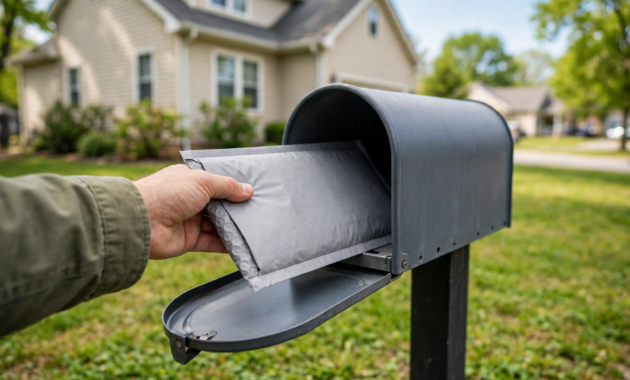
Ignoring the mailbox. New checks arrive by regular mail — a padded envelope that’s obviously a check order to anyone who’s seen one. If your mailbox isn’t secure, consider having them held at the post office or shipped to a P.O. box. Mailbox theft of check orders is a real identity-theft vector.
Tossing old starter checks in the trash. Shred unused or voided checks. Every discarded check carries your routing number, account number, and signature — a gift to anyone who fishes it out.

Frequently Asked Questions
How many checks come in a box?
A standard box holds about 100–120 single checks (four books of 25–30). Duplicate checks come in smaller quantities per box — usually four books of 25, with a carbon copy under each. If you write two checks a month, one box lasts four years.
Can I order checks right after opening a new account?
Yes, though most banks issue a small pack of temporary starter checks first. Your first full order ships 7–10 business days after you place it. If you need a payment instrument immediately, a cashier’s check or money order covers the gap. The process for how to order checks for a bank account is the same whether the account is one day or ten years old.
Will my bank’s app reject a check I ordered from a third party?
No. Your bank doesn’t know or care which printer made your checks, as long as they carry valid MICR encoding and correct routing and account numbers. Third-party checks clear through the exact same system.
What should I do if my check order never arrives?
Contact the printer first (your confirmation email has the order number), then your bank. If the box was delivered and stolen, treat it like check fraud: notify your bank, consider closing and reopening the account, and monitor your statements closely. New account numbers stop stolen checks cold.
The Bottom Line
Figuring out how to order checks for a bank account is a fifteen-minute errand with a five-minute shortcut: the bank’s portal is easiest, but a direct order from a third-party printer saves you $10–$20 for the same product. Order early, double-check your address, and protect the delivery like the financial document it is. Now that you know how to order checks for a bank account five different ways, pick the cheapest route that fits your timeline.
Disclaimer: This article is general educational information, not financial advice. Check ordering fees, delivery times, and printer availability vary by bank and state — confirm current pricing with your institution before ordering. If your checks are lost or stolen, contact your bank immediately.


1 comment