
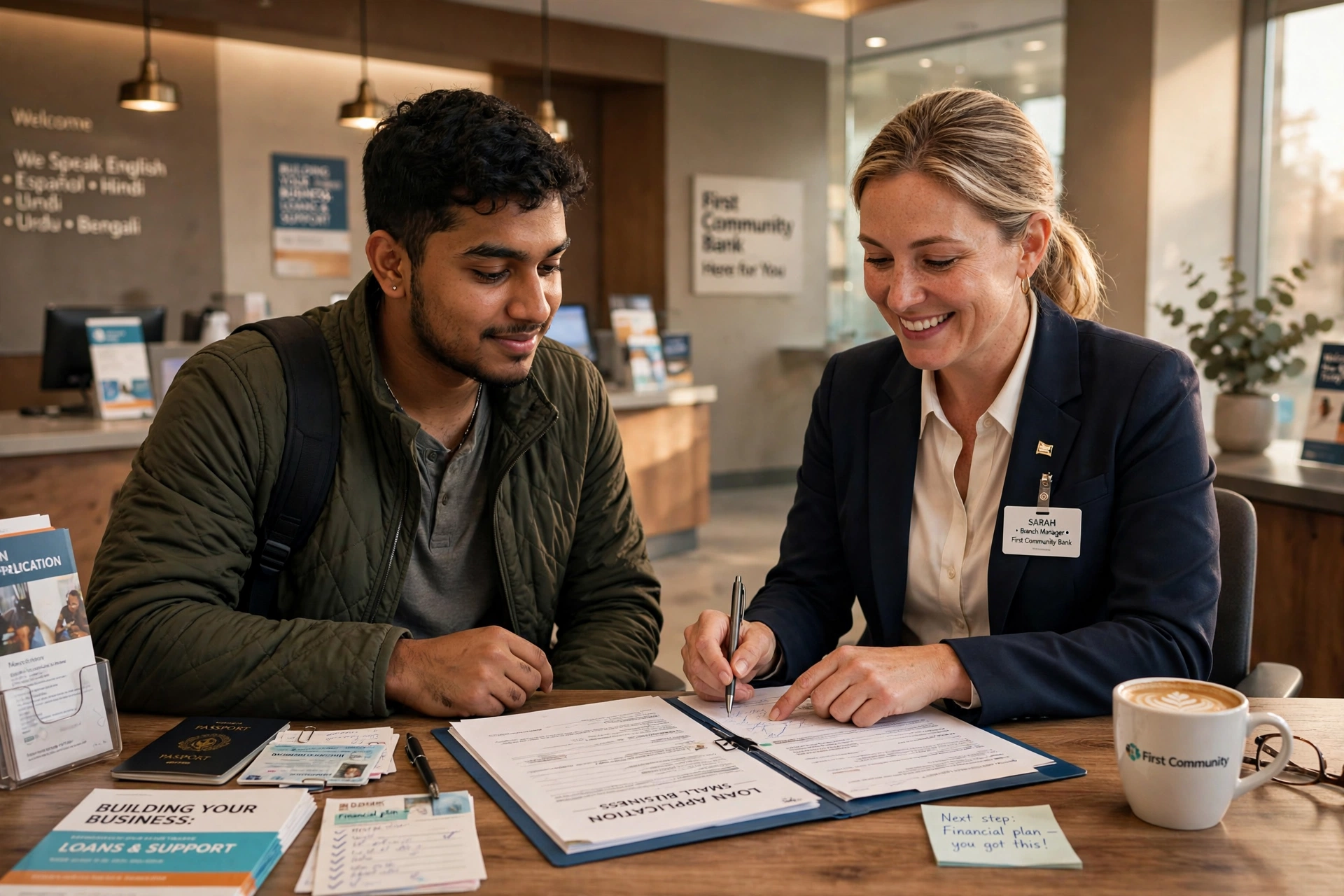
Moving to the US without a Social Security number feels like hitting a wall everywhere — apartment applications, phone plans, and yes, bank accounts. But here’s the good news: you can open a bank account without an SSN. Thousands of immigrants and non-residents do it every year.
I’ve watched friends go through this. The ones who walk into a branch prepared get an account the same day. The ones who assume it’s impossible keep paying check-cashing fees for months. The difference is just knowing which banks accept what — and bringing the right paperwork the first time.
This guide shows you how to open a bank account without an ssn: your SSN alternatives, which banks will actually open an account for you, what documents to bring, and the mistakes that get people turned away.
Table of Contents
How to Open a Bank Account Without an SSN: The Short Answer
Short version: you can open a bank account without an ssn at most big US banks if you have an ITIN (Individual Taxpayer Identification Number) instead of an SSN. No ITIN either? A few banks will work with just your passport plus a second photo ID — but you’ll almost certainly have to apply in person, not online.
One thing to get straight early: banks are required by law to verify your identity (it’s called Customer Identification Program rules under the Patriot Act). They’re checking who you are — not your immigration status. A bank will not report you to immigration for opening an account. That’s a fear I hear a lot, and it’s simply not how it works.
Your SSN Alternatives, Explained
Option 1: Get an ITIN
An ITIN is a 9-digit tax ID the IRS issues to people who need a US tax number but can’t get an SSN. For banking purposes, it functions a lot like an SSN on applications — many banks literally let you type it into the SSN field.
The catch? It takes time. You apply with IRS Form W-7 (see the IRS page on ITINs for the current process), and processing currently runs about 8–14 weeks. So if you need an account next week, the ITIN route won’t save you — but if you’re planning ahead, it’s the single most useful document you can get. It also unlocks other things later, like filing taxes properly.
Honestly, if you’re going to live and earn in the US for a while, just apply for the ITIN now and work on the bank account in parallel.
Option 2: Passport + second ID (no ITIN)
Some banks skip the tax-ID requirement entirely for in-person applications. You’ll need your passport plus a second government-issued photo ID — a foreign driver’s license, a consular ID, or a permanent resident card all typically work.
This is the fastest path if you just arrived. The tradeoff: almost no bank lets you do this fully online. Budget an afternoon for a branch visit.
Which Banks Will Actually Take You
Here’s where things stand with the big names. Policies shift, so treat the bank’s own website as the final word — but this is the current picture:
| Bank | What they accept instead of an SSN | Where you apply | Worth knowing |
|---|---|---|---|
| Wells Fargo | ITIN | Online or in branch | Clearest online process of the big banks; $25 minimum opening deposit |
| PNC Bank | Passport + second photo ID (no ITIN needed) | In branch | One of the few that states this plainly |
| Bank of America | ITIN, plus foreign and US addresses | In a financial center | Bring proof of both addresses |
| Citi | ITIN entered in the SSN field | Online or in branch | The application literally accepts it where the SSN goes |
| Chase | Not published — ask first | In branch (probably) | Chase won’t spell it out online; call the branch before you go |
Two honest notes on that table. First, “online” with an ITIN still means jumping through automated identity-verification hoops — if the system can’t verify you, it just rejects you with no explanation, and you’ll end up going in person anyway. Second, smaller community banks and credit unions are often more flexible than the giants; if a big bank turns you away, a local credit union is worth a phone call.
The Fintech Shortcut (for Business Owners)
If you’re here because you formed a US LLC and need business banking, your life is easier. Fintech platforms built for founders — Mercury and Wise Business are the two names you’ll hear most — let non-residents open US business accounts with an EIN and a passport. No SSN, no ITIN, fully online.
Mercury is the most popular: no monthly fees, virtual cards, built for startups. Wise Business is the easiest approval of the bunch and great if you move money across currencies.
Two caveats, because I’d rather you hear them from me than learn the hard way. One: these are business accounts — you need an actual LLC with an EIN. Two: fintechs aren’t banks themselves; your money sits with partner banks (usually FDIC-insured through them). That’s fine day-to-day, but worth knowing — and if you want the full picture on how that protection works, here’s how FDIC insurance protects your money.
What to Bring to the Branch
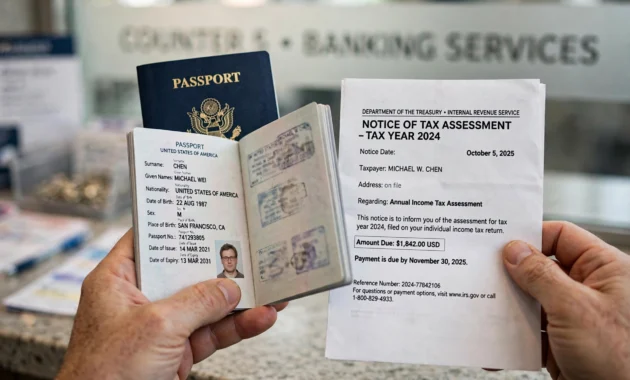
Show up with everything and you’ll usually walk out with an account. Show up missing one item and you’ll walk out with homework.
- Valid passport (unexpired — check the date tonight, not at the counter)
- Second photo ID: foreign driver’s license, consular ID, or permanent resident card
- ITIN assignment letter, if you have one
- Proof of US address: lease agreement, utility bill, or official mail with your name on it
- Proof of foreign address too, if the bank asks (Bank of America does)
- Initial deposit: $25–$100 in cash or a check covers most banks’ minimums
- Your phone — some banks verify with a text on the spot
Small tip: bring originals, not photocopies. And if your name is long or transliterated, make sure the spelling matches across every document — name mismatches are the number-one silly reason applications stall.
Online vs. In-Branch: An Honest Breakdown
Can you open a bank account without an ssn from your couch? Sometimes. Wells Fargo and Citi let ITIN holders apply online, and plenty of people succeed. But online identity verification is brittle — one failed check and you’re rejected with no human to explain why.
In person, someone looks at your documents, asks a couple of questions, and you’re done in 30–45 minutes. For anyone without an SSN, I’d plan on the branch visit. Call ahead, ask exactly what they need, and book an appointment if they offer one. The people who get turned away are almost always the ones who skipped the phone call. (If you do have an SSN, by the way, the whole thing is simpler — here’s our step-by-step guide to opening a bank account online.)
5 Mistakes That Get People Turned Away
- Assuming every bank takes ITINs. They don’t — or they do, but only in person. Check first.
- Applying online five times after a rejection. Each failed attempt doesn’t help. Go in person instead.
- Bringing expired documents. Check every date before you leave the house.
- Name inconsistencies across IDs. “Muhammad” on one, “Mohammad” on another? Bring supporting docs or get it fixed first.
- Forgetting proof of address. The most commonly missing item. A utility bill or lease with your name on it — don’t skip it.
Frequently Asked Questions
Can I open a US bank account with just a passport?
At most big banks, no — you’ll need a second ID and usually an ITIN as well. PNC is the notable exception that works with passport plus second ID in a branch. For a standard personal account, plan on bringing the full document set above.
Should I get an ITIN before trying?
If you have two or three months to spare, yes — it makes it much easier to open a bank account without an ssn, including online applications. If you need an account this week, use the passport-plus-second-ID route at a branch instead of waiting on the IRS.
Will opening an account affect my immigration status?
No. Banks verify identity under federal banking law; they don’t enforce immigration law and don’t report account holders to immigration authorities.
How long does it take to open a bank account without an ssn?
In a branch with the right documents: usually the same day, 30–45 minutes. Online with an ITIN: a few days if automated verification goes through. The ITIN application itself takes 8–14 weeks, so start that early if you’re going that route.
Disclaimer: This article is for general educational purposes only and is not financial or legal advice. Bank policies and requirements change — always confirm current requirements with the bank directly before applying.




1 comment