Denied a Bank Account? ChexSystems and Second-Chance Banking Guide
SEO Title: Denied a Bank Account? ChexSystems and Second-Chance Banking Guide
Meta Description: Were you denied a checking account? Learn how ChexSystems works, how to check and dispute your report, and how second-chance banking may help.
Suggested Slug: /denied-bank-account-chexsystems-second-chance-banking-guide/
Primary Keyword: denied a bank account ChexSystems
Secondary Keywords: second-chance banking, ChexSystems report, ChexSystems dispute, denied checking account, second-chance checking account

Introduction
Being denied a bank account can be frustrating, especially when you need a safe place to receive income, pay bills, use direct deposit, or manage everyday spending. A denial does not always mean that you cannot use banking services. It may mean that the bank or credit union found negative information in a checking-account report and uses that information in its account-opening decision.
ChexSystems is one company that provides account-verification and checking-account history information to financial institutions. Banks and credit unions may review reports from ChexSystems or another checking-account reporting company when deciding whether to offer a checking account and which type of account may be appropriate.
This guide explains why a bank account application may be denied, how to request and review your ChexSystems report, how to dispute inaccurate information, and how second-chance banking may provide another option. It is general educational information and does not recommend a specific bank, account, or financial product.
What Is ChexSystems?
ChexSystems is a consumer reporting company that primarily provides account-verification services to financial institutions. Its reports may contain information about checking-account applications, openings, closures, and certain account-related problems. Banks and credit unions may use this information as part of their account-opening process. 1
ChexSystems is not the same as a traditional credit bureau. A ChexSystems report generally focuses on checking-account and banking history rather than installment loans, credit cards, or mortgage accounts. However, some financial institutions may use both a checking-account report and a traditional credit report when reviewing an application.
A report from ChexSystems does not automatically determine your financial character or guarantee that every bank will deny you. Each bank and credit union has its own policies, account requirements, risk controls, and approval process.
Why Might a Bank Deny Your Account?
A bank or credit union may deny a checking account for several reasons. Common examples include:
- An unpaid negative balance caused by an overdraft
- An account that was closed by the bank while money was still owed
- Repeated bounced checks
- A history of unpaid account fees
- Suspected fraud connected with a checking account
- A joint account connected to another person’s banking problems
- Information that the bank cannot verify
- Failure to meet the institution’s identification or eligibility requirements
- Internal policies related to account risk or fraud prevention
The Consumer Financial Protection Bureau explains that banks and credit unions may provide information about checking-account history to reporting companies such as ChexSystems and Early Warning Services. Financial institutions may then use these reports when deciding whether to offer an account. 2
A denial can also happen because of an issue that is not included in ChexSystems. For example, the institution may have separate identity-verification requirements, use another screening company, or have a policy related to your address, identification, or account history.
What Is a ChexSystems Report?
A ChexSystems report is a consumer report that may show information connected with checking-account applications, account openings, account closures, and check-writing history. The report may include information supplied by banks, credit unions, or other reporting sources.
The information can include:
- The name of the reporting financial institution
- The date an account was opened or closed
- The reason an account was reported
- An unpaid balance or account-related amount
- Information related to suspected fraud
- Requests for your report or score, depending on the report format
Not every report contains the same information. You should review your own report instead of assuming that a bank’s decision was caused by a particular item.
How to Get Your ChexSystems Report
The Consumer Financial Protection Bureau’s company listing says ChexSystems provides one free report every 12 months when requested. It also states that consumers may request a security freeze and that requesting your own report does not hurt your credit score. 1
Steps to request your report
- Visit the official ChexSystems website or use the contact information listed by the CFPB.
- Request your consumer disclosure report.
- Provide the identity information required to locate your file.
- Save the confirmation and keep a copy of the report when it arrives.
- Review every account, amount, date, and institution listed.
The official CFPB listing provides the following ChexSystems contact information at the time of publication:
- Website: ChexSystems
- Phone: 800-428-9623
- Mail: Chex Systems, Inc., Attn: Consumer Relations, P.O. Box 583399, Minneapolis, MN 55458
Contact information and procedures can change. Verify current details on the official ChexSystems website or through the CFPB’s consumer reporting company list.
What to Check on Your Report
Read your report carefully. Look for information that is:
- Not connected to you
- Listed under the wrong name or address
- Reported with an incorrect balance
- Shown as unpaid even though you paid it
- Duplicated
- Older than the period allowed under applicable reporting rules
- Connected to identity theft or account fraud
- Missing important information that changes the meaning of the record
Keep copies of account statements, payment confirmations, letters, police or identity-theft reports, and communications with the bank. These records may help you explain why an item is inaccurate or incomplete.
How to Dispute an Error on a ChexSystems Report
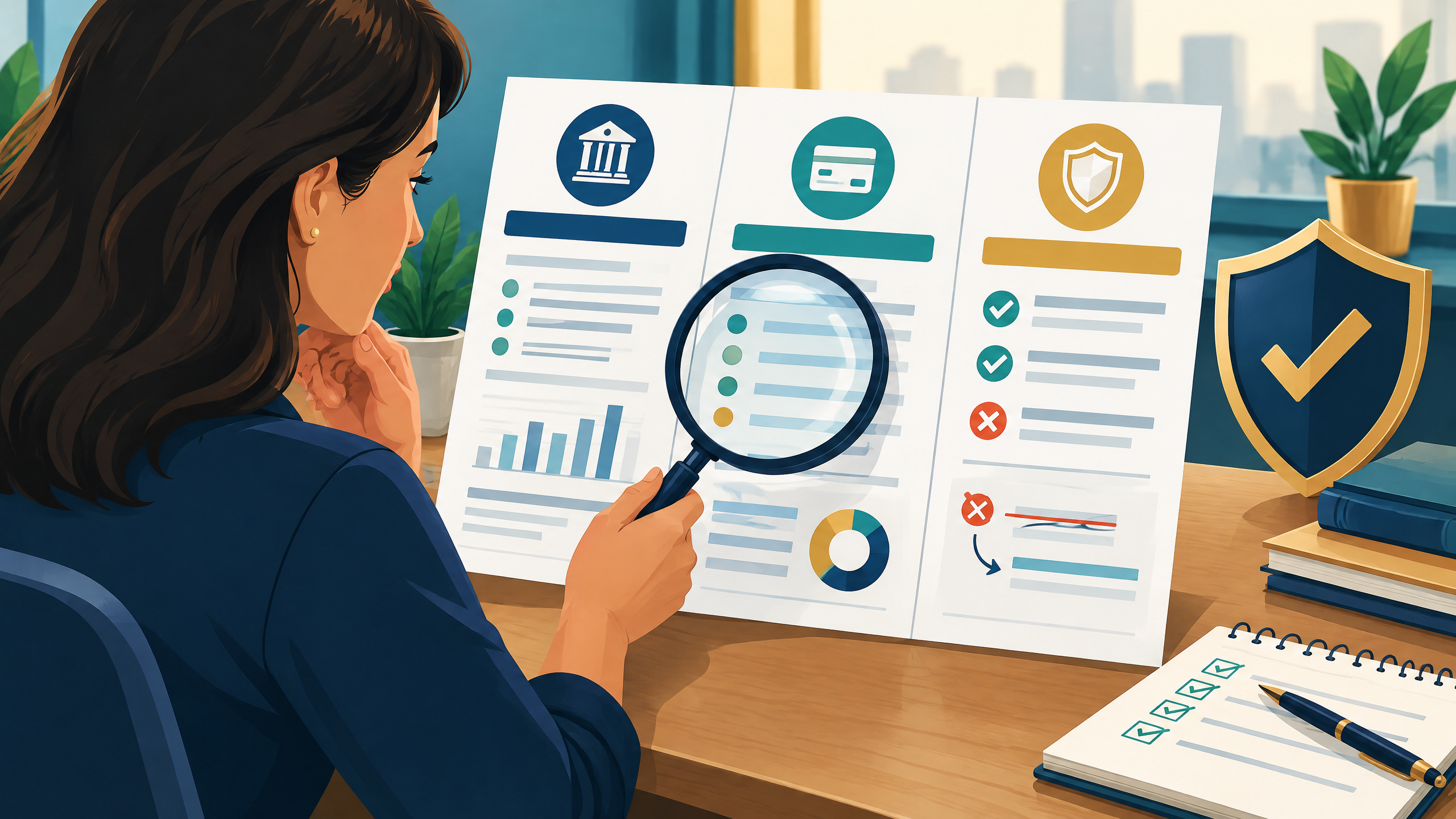
If you believe information is inaccurate or incomplete, you generally have the right to dispute it with the consumer reporting company and the business that supplied the information. The CFPB says reporting companies and information providers must investigate disputes and correct inaccurate information when appropriate. 1 2
Practical dispute process
1. Identify the exact error
Write down the account name, reference number, balance, date, and specific information you believe is wrong. Avoid sending a vague complaint that does not identify the item.
2. Gather supporting evidence
Useful documents may include:
- Bank statements
- Receipts and payment confirmations
- Account-closure letters
- Settlement or payment agreements
- Emails or letters from the financial institution
- Identity-theft reports, when relevant
- Government-issued identification
3. Submit the dispute through the available official channel
Follow the current ChexSystems dispute instructions. You may also contact the bank or credit union that supplied the information. In some situations, correcting the source’s records is necessary in addition to disputing the report itself.
4. Keep proof of submission
Save the dispute confirmation, copies of documents, dates, reference numbers, and all correspondence. If you mail documents, consider using a delivery method that creates a record of delivery.
5. Review the result
When the investigation is complete, review the updated report. If the information remains and you still believe it is inaccurate, read the company’s explanation and consider submitting additional documentation or seeking qualified consumer-law assistance.
Do not pay a company that promises to remove accurate information simply because you pay a fee. Accurate negative information may not disappear immediately after payment. Payment can still be useful for resolving an unpaid balance, but ask the reporting bank how it will update the record and keep written proof.
How Long Can Negative Banking Information Stay?
The time that information may remain depends on the type of information, the reporting company, and applicable law. The CFPB states that federal law generally limits most negative information on checking-account reports to seven years, while some companies may disregard information that is more than five years old.
Do not assume that paying an old balance automatically deletes an accurate report. Paying may update the status or satisfy the underlying debt, but the reporting period and the company’s procedures still matter.
What Is Second-Chance Banking?
A second-chance bank account is generally a reduced-service or reduced-fee account designed for people who have problems in their banking history and cannot open a regular account.
Second-chance accounts may have additional rules because the bank is trying to reduce overdraft and fraud risk. Depending on the institution, the account may include:
- No overdraft service
- A monthly maintenance fee
- A required opening deposit
- Direct-deposit requirements
- Limits on check writing or cash withdrawals
- A waiting period before certain features become available
- Mandatory financial education
- Restrictions on paper checks
- A requirement to keep the account in good standing for a set period
Second-chance banking is not a single national program. Account names, fees, approval rules, and features vary by bank and credit union. Read the account agreement and fee schedule before opening an account.
Who May Qualify for a Second-Chance Account?
Eligibility depends on the institution. You may be considered if you:
- Were denied a standard checking account
- Have negative information in a checking-account report
- Have an unpaid or recently paid overdraft balance
- Have a previous account closure
- Have a history of bounced checks
- Can provide valid identification
- Meet the bank’s age, address, and state requirements
- Agree to account limits or financial education requirements
Approval is not guaranteed. Some institutions may require old balances to be paid before opening an account. Others may review how long ago the problem occurred, whether it was resolved, and whether you can meet current account rules.
Important Documents for Opening a Second-Chance Account
Prepare the documents requested by the bank. Requirements vary, but common items include:
- Government-issued photo identification
- Social Security number or taxpayer identification number
- Proof of current address
- Date of birth
- Phone number and email address
- Employment or income information, if requested
- Initial deposit
- Documentation showing that an old balance was paid or settled
- Court or identity-theft documents, if relevant
- Immigration or residency documents, when required by the institution
The bank may ask for additional information to verify your identity. Never send sensitive documents through an unofficial website or an unverified email address.
How to Apply for a Second-Chance Bank Account

Step 1: Find out why the original application was denied
Ask the bank or credit union for the reason and request an adverse action notice when applicable. If the decision was based on a checking-account report, the notice should identify the reporting company and provide contact information.
Step 2: Request and review the report
Obtain your ChexSystems report and any other report named in the notice. Check for errors, identity theft, duplicate records, incorrect balances, and accounts that do not belong to you.
Step 3: Dispute inaccurate information
Submit a clear dispute to both the reporting company and the bank or credit union that supplied the information when appropriate. Keep documentation of the process.
Step 4: Resolve legitimate unpaid balances
If you owe a valid balance, contact the reporting bank or credit union and ask about payment or settlement options. Request written confirmation of the arrangement and ask how the institution will report the result.
Step 5: Compare second-chance options
Compare at least several accounts using the same criteria:
- Monthly fee
- Opening deposit
- Minimum balance
- ATM access
- Direct-deposit requirements
- Cash-deposit availability
- Mobile check deposit
- Bill pay and debit-card features
- Overdraft rules
- Account limits
- Upgrade path to a standard account
- Deposit insurance status
Step 6: Apply through the official channel
Apply through the bank’s official website, branch, or verified telephone process. Confirm that the institution is legitimate and that deposits are insured by the Federal Deposit Insurance Corporation or the National Credit Union Administration, as applicable.
Step 7: Manage the account carefully
Once approved, protect the account by:
- Tracking your available balance
- Setting low-balance alerts
- Avoiding transactions that exceed available funds
- Reviewing statements every month
- Keeping contact information current
- Reporting unauthorized transactions quickly
- Understanding when deposits become available
- Following the account’s limits and fee rules
Second-Chance Banking vs. Prepaid Cards
A second-chance checking account is a deposit account offered by a bank or credit union, although it may have reduced features. A prepaid card is a different product that is funded before use and may have its own fees, limits, and protections.
A prepaid card may help with certain payment needs, but it does not automatically build credit or repair a ChexSystems report. Review the fee disclosure and account protections before choosing one as an alternative.
How to Avoid Another Account Denial
You can reduce future problems by creating simple banking habits:
- Keep a buffer in your checking account
- Turn on low-balance and transaction alerts
- Link a savings account only if the terms are clear
- Ask how overdraft transactions are handled
- Confirm when checks and electronic deposits become available
- Reconcile your account regularly
- Do not share debit-card PINs or online-banking passwords
- Close unwanted accounts properly and obtain written confirmation
- Review account statements for unauthorized activity
- Keep proof that old balances were paid or settled
Common Mistakes to Avoid
- Applying repeatedly without understanding the denial reason
- Paying a fee to a company promising guaranteed report removal
- Sending personal information to an unverified website
- Assuming every bank uses the same approval criteria
- Ignoring an adverse action notice
- Disputing a report without supporting details
- Choosing an account without reading its fee schedule
- Treating a second-chance account as free overdraft protection
- Forgetting to update an old address or phone number
- Believing that a prepaid card automatically repairs banking history
Frequently Asked Questions
Does ChexSystems deny bank accounts?
No. ChexSystems provides consumer reporting information. The bank or credit union makes its own account-opening decision using its policies and the information it reviews.
Does checking my ChexSystems report hurt my credit score?
The CFPB states that requesting your own ChexSystems report does not hurt your credit score. ChexSystems is a checking-account reporting company, not the same as a traditional credit bureau. 1
Can I open a bank account if I am in ChexSystems?
Possibly. Being listed in ChexSystems does not automatically prevent you from opening every type of account. Some financial institutions may offer second-chance accounts, reduced-risk accounts, or other products with different eligibility rules.
How can I remove an error from my ChexSystems report?
Identify the inaccurate item, collect supporting documents, and submit a dispute through the official process. You may also need to contact the bank or credit union that supplied the information.
Does paying a ChexSystems balance remove it immediately?
Not necessarily. Payment may update the status of a valid account record, but it does not always delete accurate information immediately. Ask the reporting institution how it will update the record and keep written confirmation.
What is the difference between second-chance checking and regular checking?
Second-chance checking is generally designed for people with past banking problems and may have fewer features, stricter rules, or higher fees than regular checking. The exact terms vary by institution.
Can I get direct deposit with a second-chance account?
Many accounts may support direct deposit, but this is not universal. Confirm the account’s direct-deposit rules, timing, limits, and any required monthly deposits before applying.
Will a second-chance bank account build my credit?
A checking account usually does not build traditional credit simply because you use it. Some separate products may report activity to credit bureaus, but you should verify the product’s reporting policy instead of assuming it does.
Can identity theft cause a ChexSystems problem?
Yes. Fraudulent account applications or accounts opened by another person may create inaccurate information. Report suspected identity theft promptly, secure your accounts, and dispute information that does not belong to you.
Should I apply to several banks at once?
It is usually better to understand the reason for the first denial before submitting many applications. Ask whether the institution uses a checking-account report, compare account requirements, and apply through verified channels.
Final Takeaway
A denied bank account is a problem that can often be investigated step by step. First, find out why the application was denied and identify the reporting company named in the notice. Then request your ChexSystems report, review it for errors, dispute inaccurate information, and resolve valid unpaid balances where possible.
If a traditional checking account is not currently available, a second-chance account may provide access to basic banking services. Compare fees, limits, deposit insurance, cash access, direct deposit, and upgrade rules before choosing an account. Most importantly, use alerts, monitor your balance, and keep clear records so that the new account remains in good standing.
Disclaimer
This article is for general educational and informational purposes only. It is not banking, credit, legal, financial, or consumer-law advice, and it does not recommend any bank, credit union, ChexSystems service, second-chance account, prepaid card, or other financial product. Eligibility, fees, account features, reporting practices, dispute procedures, deposit insurance, and legal rights may vary by institution, state, and individual circumstances. Verify current information directly with the financial institution, ChexSystems, the Consumer Financial Protection Bureau, or another qualified professional before making a decision.